
Planning a Disneyland trip takes time, research, and a lot of preparation—especially when you’re traveling with kids.
Before our first family trip, I spent hours learning everything I could. I researched tickets, park layouts, accommodations, and ways to make the most of our time. By the time we arrived, I felt prepared and confident in the plan I had put together.
However, once we stepped into the parks, I quickly realized something important:
Planning a Disneyland trip and actually experiencing it are two completely different things.
What Planning a Disneyland Trip Actually Prepares You For
When you’re planning a Disneyland trip, there are several important pieces to organize before you arrive. Most families start with the basics: choosing dates, purchasing tickets, deciding how many park days they need, selecting where to stay, and getting familiar with the layout of Disneyland Park and Disney California Adventure.
Those details matter because they give your trip structure. They help you feel more prepared, especially if you’re traveling with kids or visiting for the first time. A plan can help you understand where you’re going, what experiences matter most to your family, and how to make better use of your time.
However, planning mainly prepares you for the logistics. It helps you organize the trip on paper, but it does not fully prepare you for what the experience will feel like once you’re inside the parks. Crowds, weather, walking, wait times, emotions, and energy levels all affect how the day actually unfolds.
That is why planning a Disneyland trip is only one part of the process. The real value comes from understanding how to use that plan while still staying flexible enough to enjoy the experience.
Real Life Doesn’t Pause at Disneyland
Even with the most thoughtful planning, real life still comes with you into the parks. Things don’t necessarily go wrong in a major way, but small, everyday moments still happen—and those moments can shift your day more than you expect.
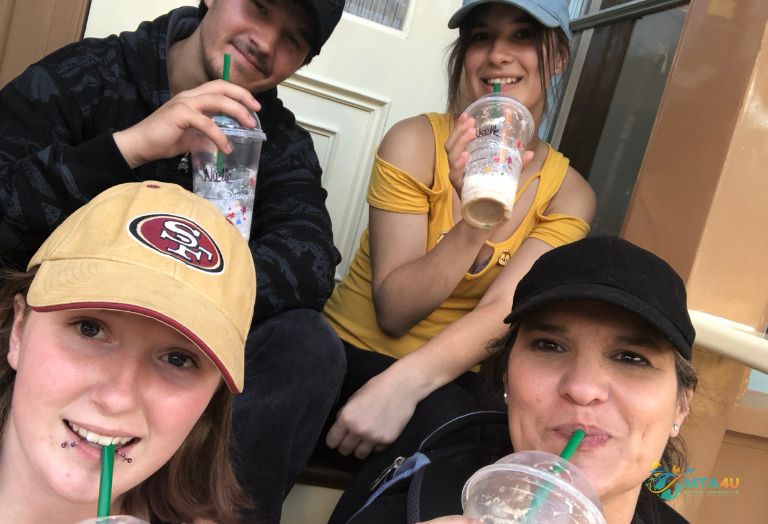
You might misplace something you just bought, deal with uncomfortable shoes after hours of walking, or find yourself caught off guard by the weather. Food you were excited to try might not meet your expectations, and sometimes plans change simply because someone in your group is tired, overwhelmed, or needs a break.
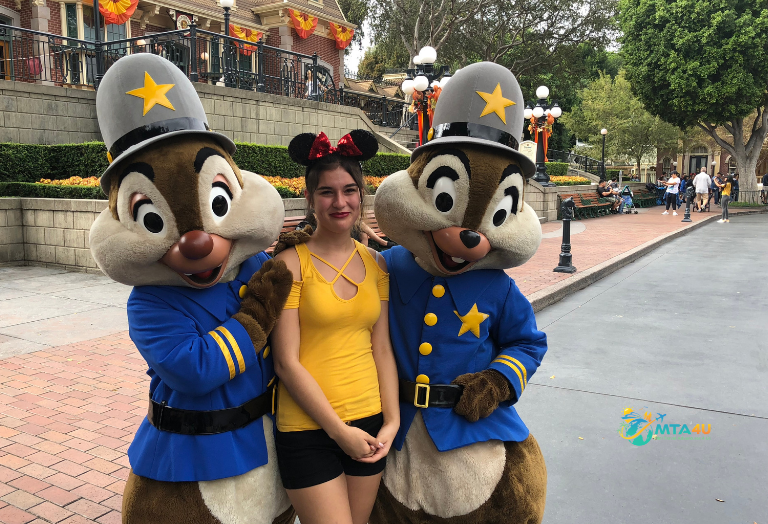
For families with young children, emotions can play an even bigger role. There are moments of excitement, frustration, and sometimes disappointment when something doesn’t go the way they imagined. I remember our daughter really wanting to see Chip and Dale. It didn’t happen on our first trip, or even our second. It actually took three different visits before she finally saw them. When she did, she broke down crying—not because anything was wrong, but because she was overwhelmed with happiness.
Experiences like that are a reminder that even the moments you look forward to the most don’t always happen on your timeline. At the same time, when they do happen, they can end up meaning even more.
Why Flexibility Matters When Planning a Disneyland Trip
Because of how unpredictable a Disneyland day can be, flexibility becomes one of the most important parts of the experience. Having a plan is helpful, but knowing when to step away from it is just as important.
There may be times when it makes more sense to leave a line, take a break, head back to your hotel, or simply slow down. Sometimes the best choice is to stop for a snack, sit down for a while, or wander through the shops instead of moving from one attraction to the next.
The ability to adjust in real time is what keeps the day enjoyable. Without that flexibility, even a well-planned trip can start to feel overwhelming. Disney isn’t about everything going perfectly. It’s about knowing how to move through the day when things don’t go exactly as planned.

What I Do Differently Now When Planning a Disneyland Trip
Looking back, that experience changed how I approach planning altogether. It’s no longer just about organizing the details ahead of time—it’s about understanding how those plans will actually play out once you’re in the parks.
Now, I pay closer attention to the practical realities that shape the experience. A Disneyland trip involves a significant amount of walking, often more than people expect, so comfortable shoes are essential. Weather can shift throughout the day, which makes it important to be prepared for both heat and unexpected changes. I also think about how important it is to build in time to rest, especially when traveling with kids, rather than trying to fill every moment.
There are also a few simple strategies that make a noticeable difference. Prioritizing just a few “must-do” experiences instead of trying to do everything helps reduce pressure. Planning breaks throughout the day keeps everyone from reaching the point of exhaustion. Even having a general approach to souvenirs can help avoid items being lost or forgotten. Becoming familiar with the Disneyland app ahead of time also makes navigating the parks much easier once you arrive.
These are small adjustments, but they shift the focus from trying to follow a perfect plan to creating a trip that actually feels manageable and enjoyable.
Planning a Disneyland Trip vs. Experiencing It: The Difference That Matters
Planning a Disneyland trip gives you direction and helps you feel prepared before you arrive. It creates a sense of structure and allows you to organize your time in a way that makes sense.
However, experiencing the parks requires something different. It requires flexibility, awareness, and the ability to adjust as the day unfolds. Even with a solid plan in place, navigating crowds, managing energy levels, and making real-time decisions can feel overwhelming—especially if you’re trying to handle everything on your own.
Understanding that difference is what allows the experience to feel enjoyable instead of stressful
Who This Matters For
This perspective is especially helpful for families planning their first Disneyland trip, parents trying to make the most of limited time, or anyone who feels like there’s a lot to figure out before they even arrive.
If you’ve ever felt like you want to get it right but don’t want to feel overwhelmed in the process, you’re not alone. That balance between preparation and flexibility is something most people don’t fully understand until they’re already in the middle of the experience.
Final Thoughts
Planning a Disneyland trip is important, but it’s only one part of the process. Understanding how that plan actually plays out is what makes the biggest difference.
Some of the most meaningful moments don’t come from sticking to a schedule. They come from being present, adjusting when needed, and allowing the day to unfold naturally
Ready to Plan Your Trip?
If you’re planning a Disneyland trip and want it organized in a way that makes sense before you go—while still allowing you to enjoy it once you’re there—I can help with that.
If you’d like to explore your options further, you can also learn more directly through Disney here:
👉 MTA4U Disney
And if you’re still in the early stages of planning, you may find this helpful as well:
👉 How to Plan a Budget Disneyland Trip
About the Author

Curated by Noel – Travel with Heart
Hi, I’m Noel—travel advisor, mentor, and founder of Team Passport to Possibility. I help families, couples, and groups plan unforgettable getaways, and I also mentor others who feel called to create freedom, income, and purpose through travel.
From Disney days to tropical retreats, I’m here to take the stress out of travel planning so joy can return to the process. At the same time, I lead a growing community of like-minded individuals who are also building something meaningful around travel, flexibility, and possibility.
Whether you’re dreaming about your next trip or exploring a new direction for your life, you’re in the right place. And as your journey unfolds, I’m here to support both your travels and what comes next.
Together, let’s bring your next adventure—and what’s possible—to life.
Related Posts You May Like
Get the Free Disney Planning Guide
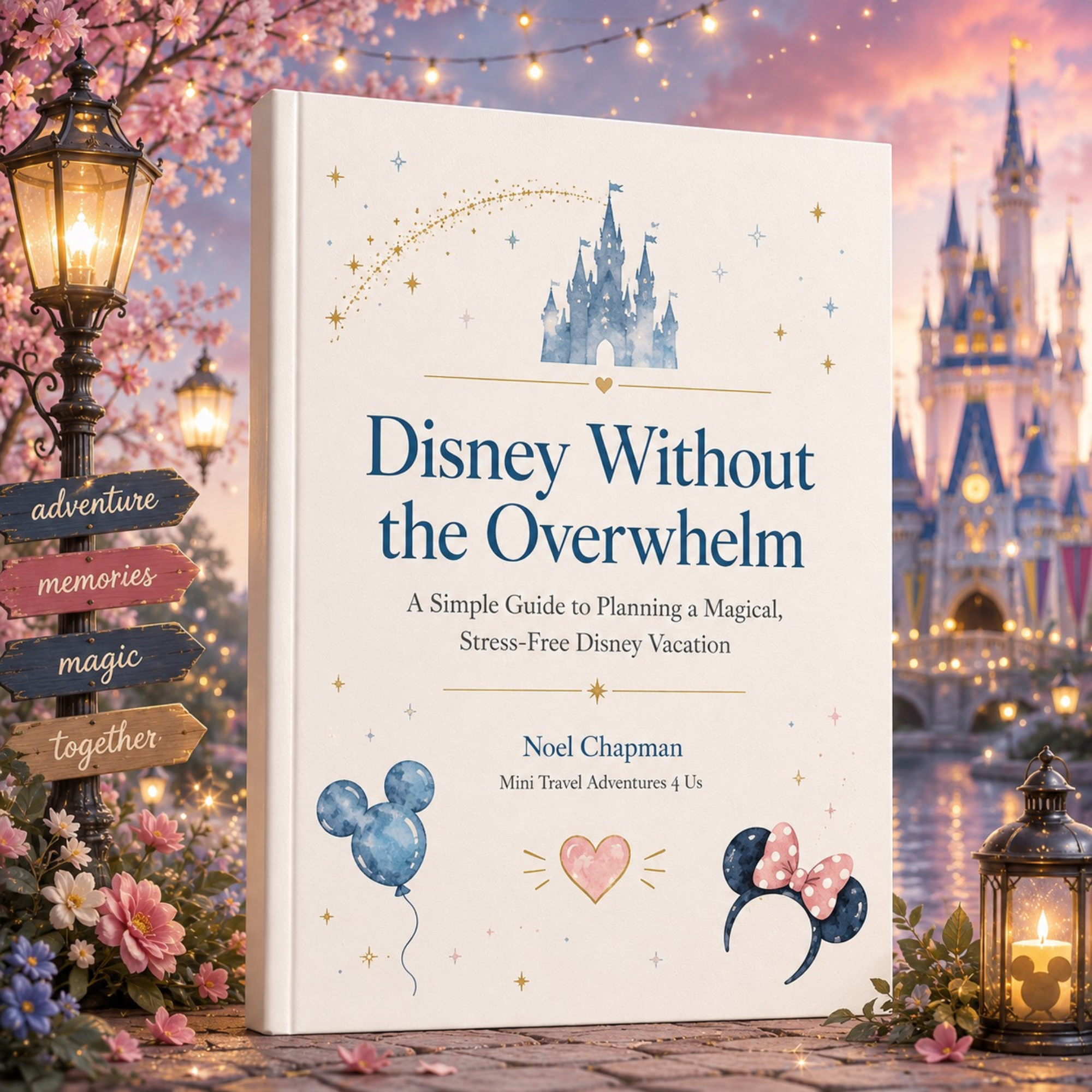
Disney Without the Overwhelm
You don’t have to figure it all out alone. I’ve created a free guide to help make planning your Disney vacation simpler and less stressful.
Inside you’ll find:
✓ A simple planning timeline
✓ Park day packing checklists
✓ Tips for families with young children
✓ Mobility-friendly advice from our family’s experience
✓ Dining and reservation tips
✓ Answers to common Disney questions
✓ Common mistakes to avoid
Whether this is your first Disney vacation or your tenth, this guide will help you spend less time worrying about the details and more time making memories with the people you love.